The Project
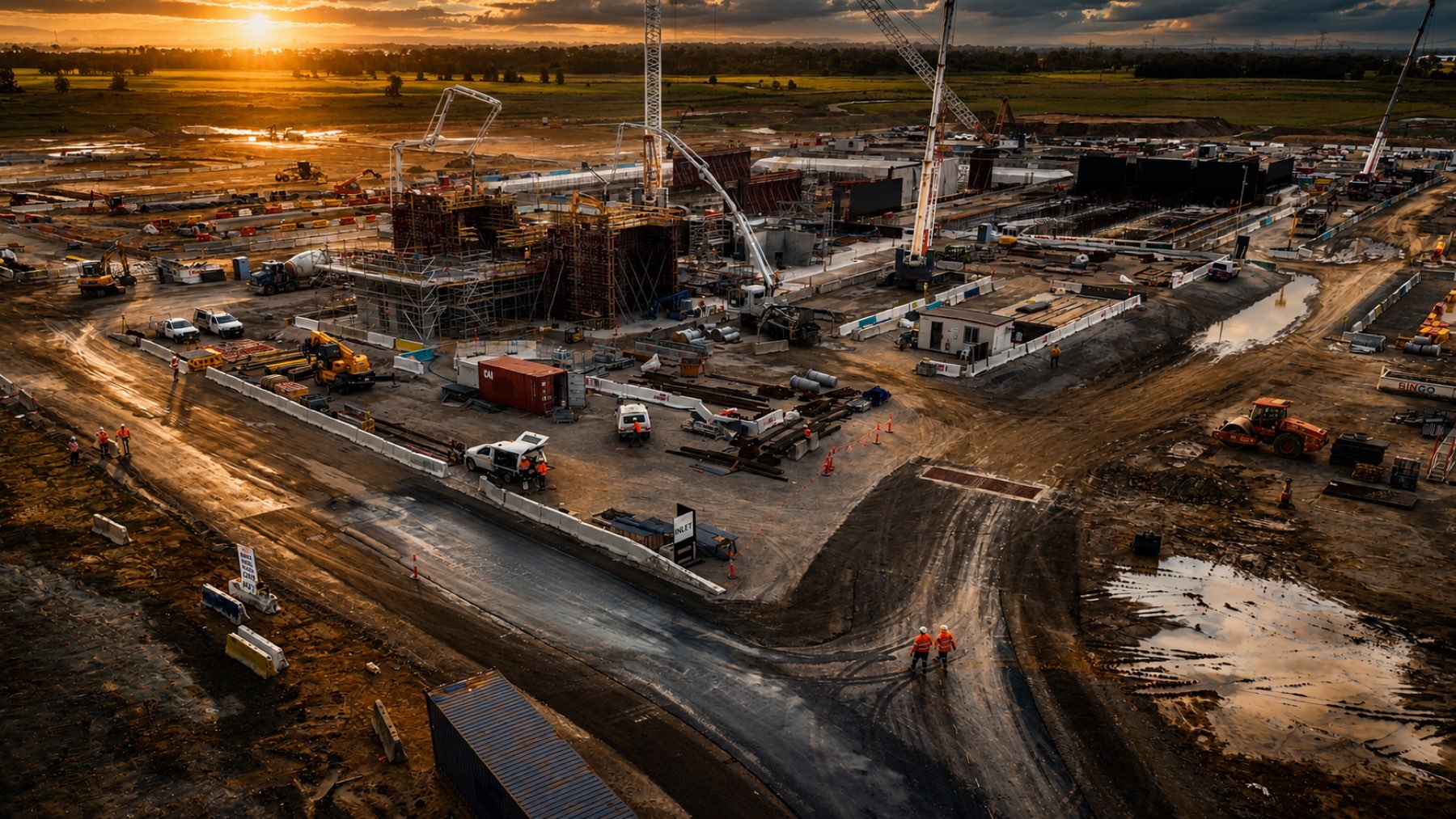
State Asphalt NSW, part of the Kypreos Group, partnered with SAMI Bitumen Technologies and John Holland to develop and trial a world-first sustainable asphalt solution at Sydney Water’s Upper South Creek Advanced Water Recycling Centre.
The innovative SMA10 mix combined PAKPAVE fibres made from recycled coffee cups with SAMIGreen A15E, a low-carbon biogenic binder. Tested under 14,600 truck movements over four months—representing approximately 10 years of traffic wear—the pavement achieved a 25% carbon reduction per square metre while matching or exceeding the performance of conventional asphalt.


What We Delivered
State Asphalt NSW and SAMI worked collaboratively with John Holland from the earliest stages of the project. Following the initial pavement assessment, our technical teams investigated potential solutions and developed a testing and inspection regime to demonstrate product performance and conformance.
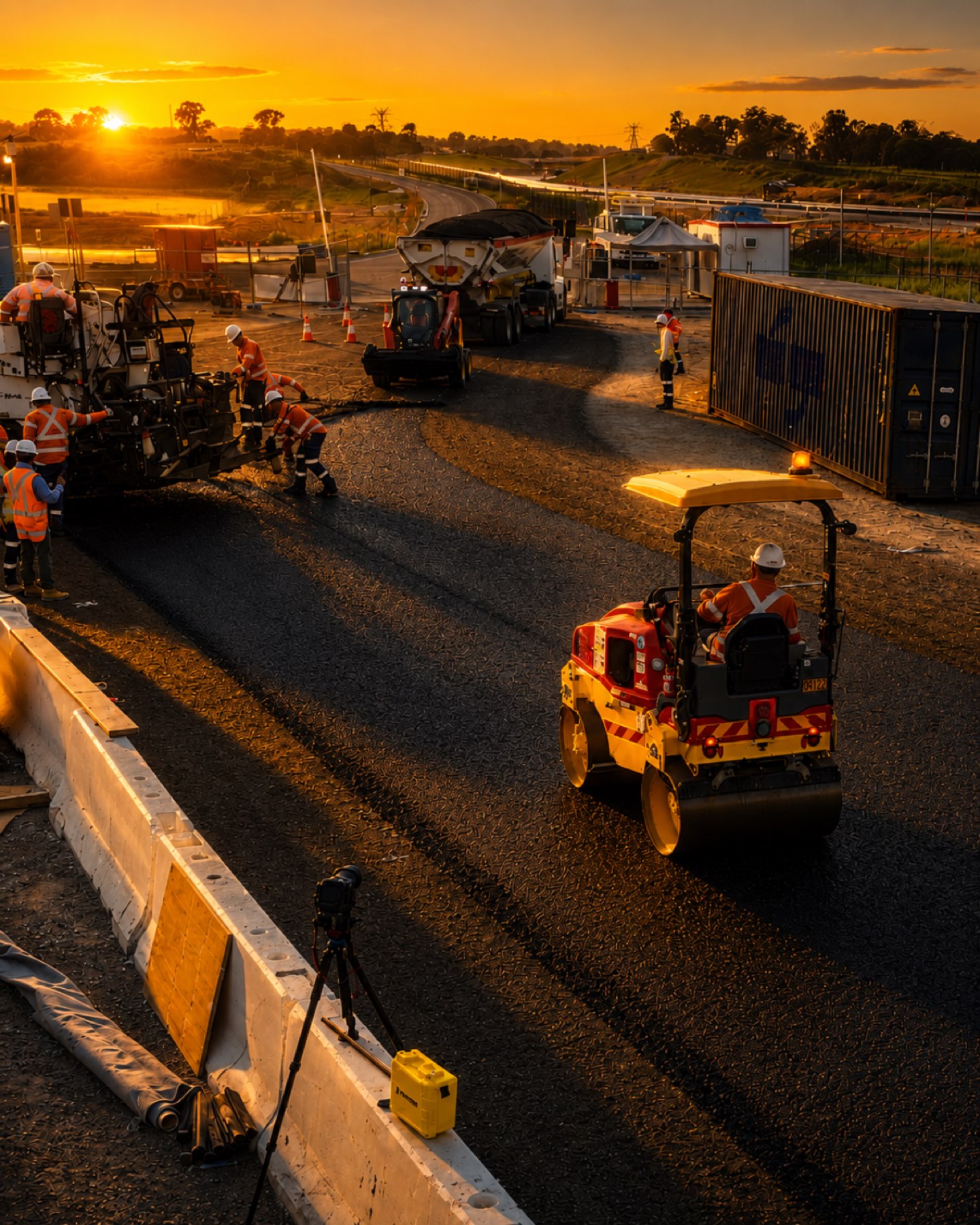
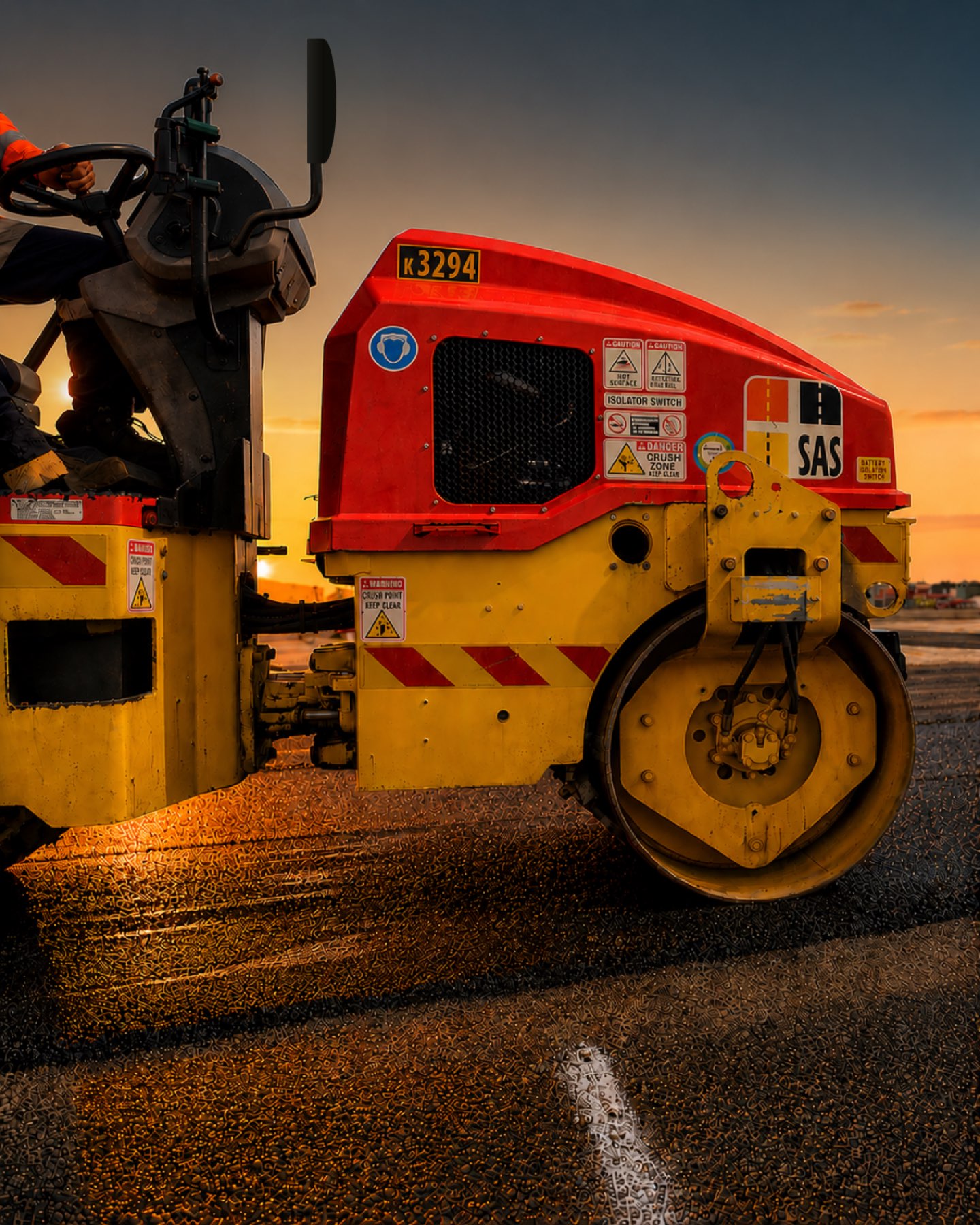
The proposed SMA10 mix progressed through laboratory testing, batching trials and placement trials at State Asphalt’s facility. Once the proof of concept had been established, State Asphalt produced and laid the sustainable mix alongside the conventional AC14 control pavement at the Upper South Creek site.
The sustainable pavement was constructed 10mm thinner than the conventional control, reducing the quantity of raw materials required as well as associated production, transport and construction impacts. Despite the reduced thickness, the mix demonstrated excellent resistance to fatigue and rutting while achieving the required strength, skid resistance and surface-noise performance.
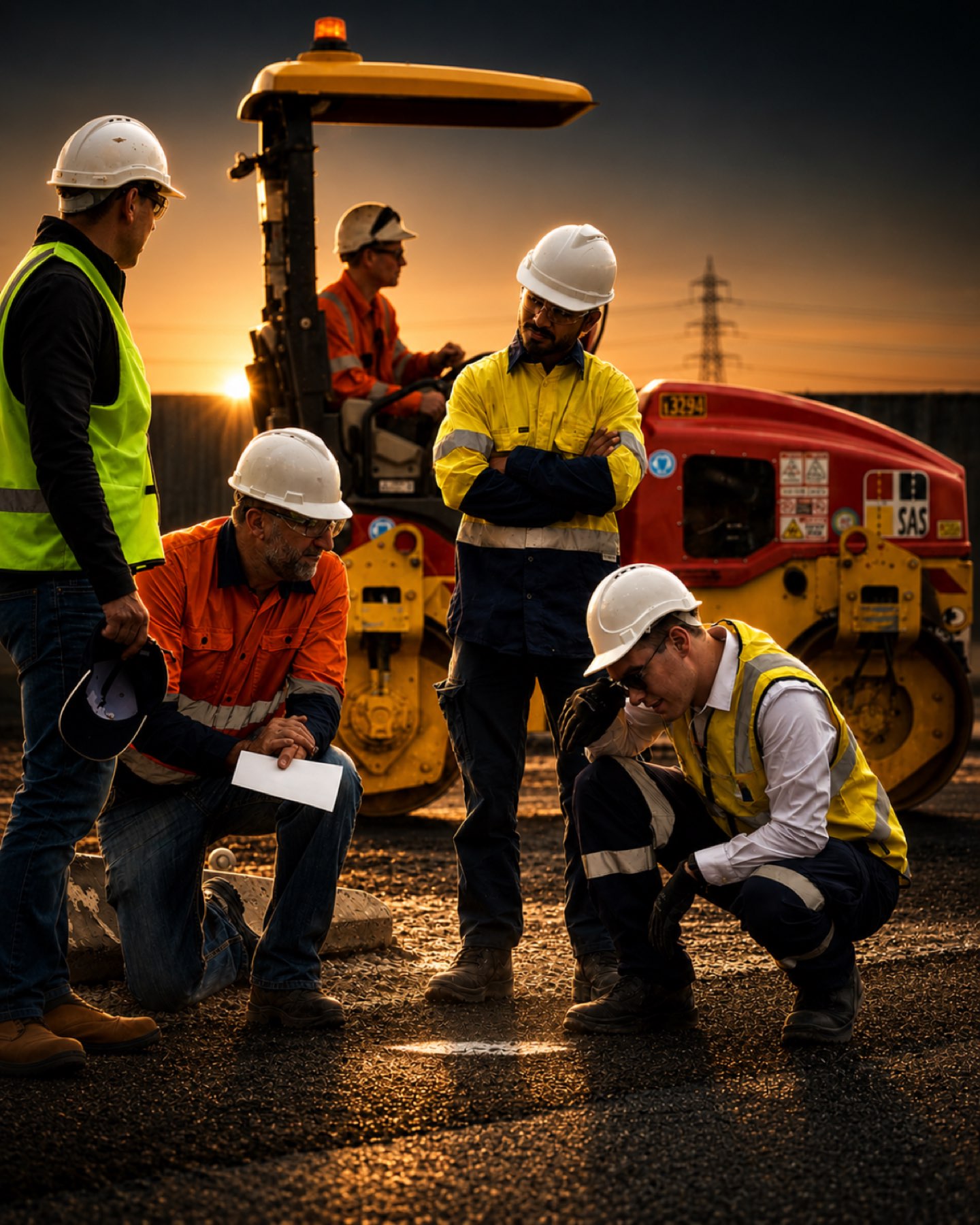
Over four months, the trial pavement endured approximately 14,600 truck movements, simulating around 10 years of operational traffic. Joint inspections were conducted fortnightly to monitor the condition of both pavements and document any changes. Where failures occurred within the underlying base course, their effects were less evident through the SMA10 pavement than through the conventional AC14 control.
The completed solution achieved a 25% reduction in carbon emissions per square metre. It also demonstrated how recycled coffee cups could replace conventional cellulose fibres while reducing reliance on virgin materials and imported products.
The success of the trial supported the solution’s progression to approximately 15,000 square metres of permanent roads at the facility and provided a scalable model for future infrastructure projects. It demonstrated that lower-carbon asphalt can deliver meaningful environmental and construction efficiencies without sacrificing safety, quality or long-term performance.
Gallery